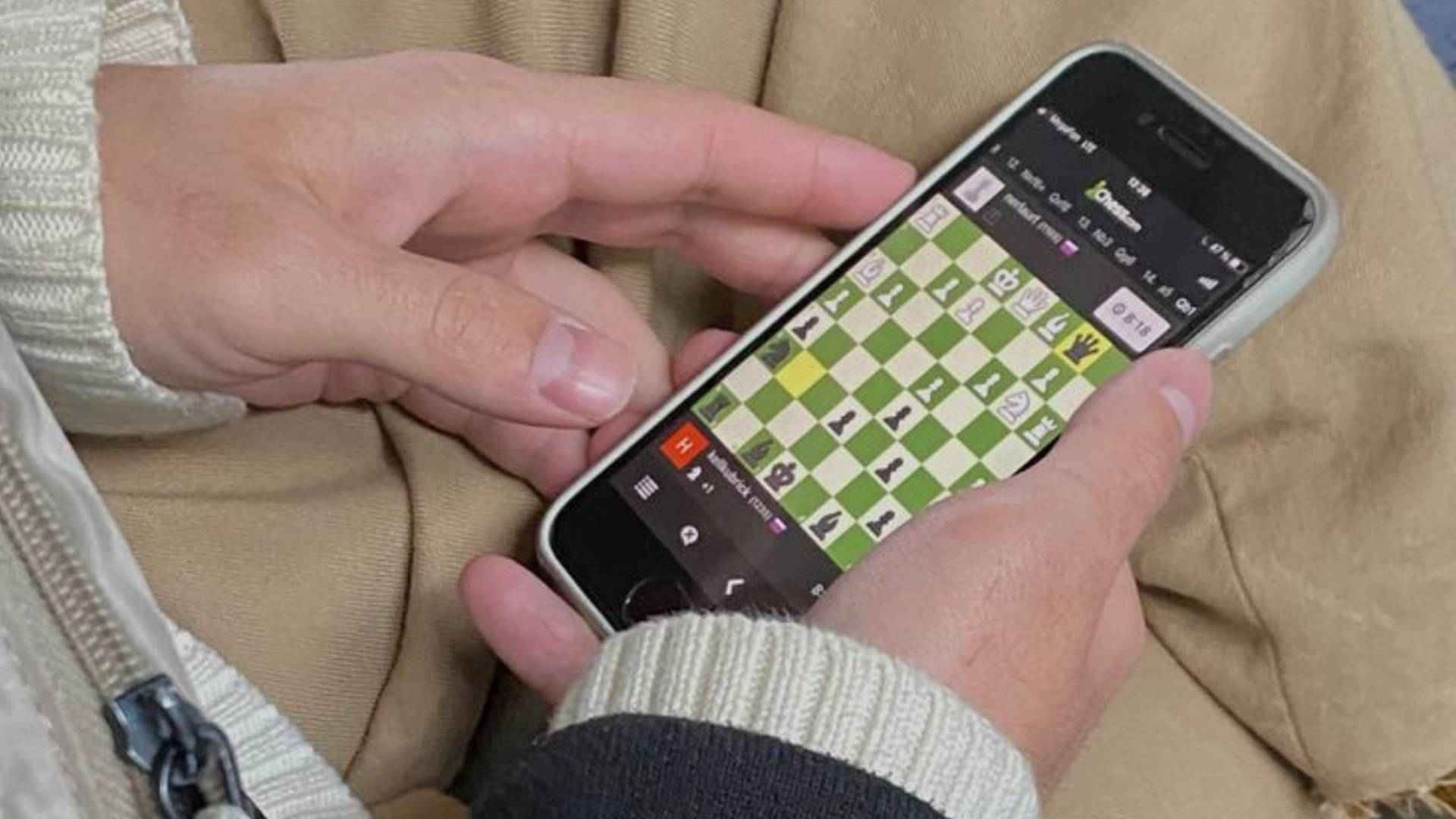
While many people view dominoes as a simple game of matching numbered tiles, experienced players understand that victory relies heavily on sharp focus and detailed observation. By paying close attention to the board state and the physical reactions of your opponents, you can transform your casual playstyle into a highly tactical discipline. Developing these visual habits is the quickest way to elevate your game and secure consistent victories.
The Power of Tracking Played Tiles
To establish a clear advantage during a match, you must begin by systematically memorizing which tiles have already been placed on the table. This simple habit allows you to determine exactly which pieces are still hidden in the boneyard or held in your opponent's hand. When you know which numbers are depleted, you can effectively block the chain to trap other players.
Advanced players use this tracking technique to force their opponents into difficult situations where they must draw repeatedly. By carefully watching which ends are open, you can control the flow of the match with absolute precision. This methodical approach removes the element of luck and replaces it with pure mathematical probability.
Reading Your Opponent’s Non-Verbal Cues
Beyond the wooden tiles on the table, a significant portion of dominoes strategy involves observing the physical behavior of the other players. Subtle changes in body language, such as a slight hesitation before playing a tile, often reveal a weak hand or a lack of matching numbers. Recognizing these micro-expressions can give you a massive competitive edge in tight situations.
Just as players study patterns in other tabletop activities, observing physical reactions helps you predict future moves before they happen. For those who enjoy testing their observation skills in digital formats, exploring platforms like M88 slot can offer a thrilling way to practice quick decision-making under pressure. Maintaining a calm composure while watching others is a fundamental skill that separates novice players from seasoned masters.
Mastering End Control and Strategic Blocking
Observation also dictates how you manage the ends of the playing chain to maximize your scoring potential. By keeping a close eye on the tiles your opponents consistently avoid, you can identify their weaknesses and exploit them. Forcing play toward numbers that your opponent cannot play will quickly drain their options and secure your lead.
This defensive mindset is essential when you hold difficult tiles, such as high-value doubles that are hard to get rid of. Playing these heavy pieces early in the game requires a deep understanding of what your opponents are capable of matching. Successful blocking depends entirely on your ability to read the board layout and anticipate the next three moves.
Building a Reliable Routine for Continuous Improvement
Shifting your focus toward active observation requires dedication, patience, and structured practice. Instead of simply playing your tiles as quickly as possible, take a brief moment before each turn to scan the entire table. Over time, this conscious visual habit will become a natural instinct that guides your strategy automatically.
Analyzing your matches after they conclude is another excellent method to refine your visual scanning skills. Reflecting on where a specific block succeeded or failed helps you identify gaps in your defensive planning. Consistent evaluation ensures that every game you play becomes an opportunity to sharpen your mind and achieve long-term success.